i have a question. when was the last time you opened instagram and felt genuinely good after?
not “i saw a funny video” good. i mean calmly, quietly good. like you spent your time well.
for me, the answer is: i honestly can’t remember.
it’s not a coincidence
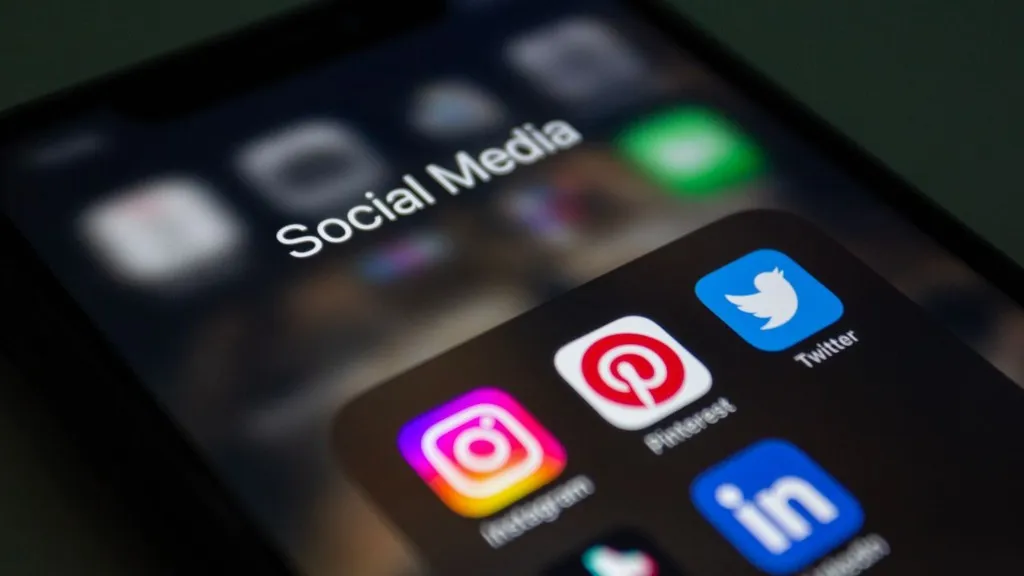
social media companies make money from your attention. more time on the app = more ads = more money. very simple.
so they build an algorithm. the algorithm decides what you see. and it doesn’t show you things because they are good, or true, or interesting. it shows you things that make you react. because reaction = engagement = time = money.
anger makes you react. fear makes you react. outrage makes you react. a calm person reading something nice doesn’t scroll more, doesn’t click more.
this is why everyone hates each other now. the algorithm puts us into angry groups that only see bad things about other groups. the best example of this is the rise of toxic incels and femcels today. these are people trapped in online groups that only teach them to hate others. they did not grow by chance. recommendation algorithms feed this hatred, spread it to more people, and make them much more extreme.
so the algorithm learned to show you things that make you feel bad. and it is very, very good at this now. better every year.
what is the fediverse
a while ago i started hearing about mastodon. and then about the fediverse: a network of different platforms that can talk to each other. mastodon, pixelfed (like instagram), peertube (like youtube), and many others. they are all connected through a protocol called activitypub.
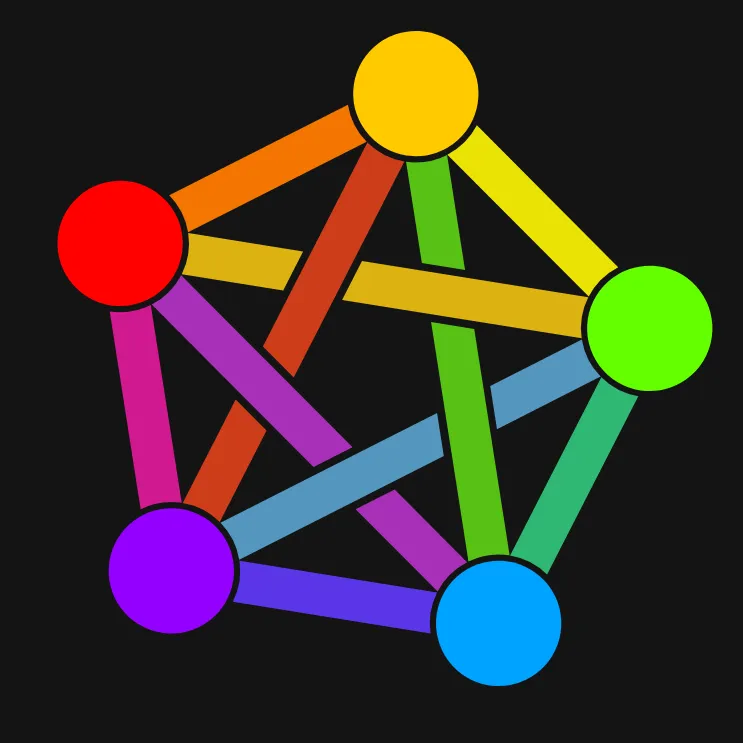
this protocol allows different apps to talk to each other. it means you only need one account on mastodon to follow people on peertube or pixelfed. you do not need to create a new profile for every app. you can interact with all of them from one place.
the key thing: there is no central algorithm.
nobody is optimizing your feed to keep you online longer. you follow people. you see their posts, in order. that’s it. very boring. very nice.
when i first heard about the fediverse, it reminded me of rss. i really loved rss. it was the best way to read the web. you had complete control over what you read. there were no algorithms and no ads. sadly, almost nobody uses rss anymore. big companies wanted us to stay inside their own apps, so they killed it. but the fediverse feels like a new chance to get that freedom back.
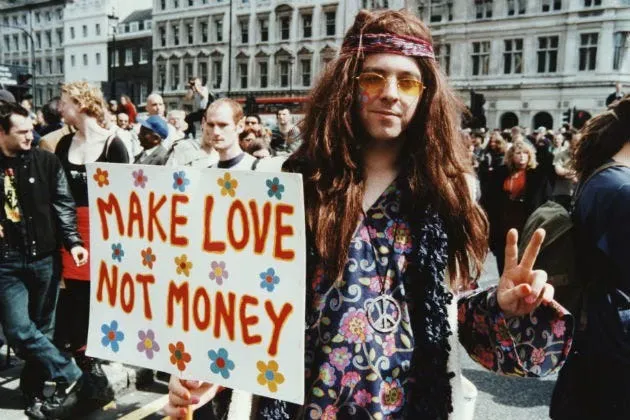
to me, this is very similar to the 1960s woodstock spirit. back then, hippies did not want the big, commercial culture of normal society. instead, they built their own small communities where they shared things and respected each other. the fediverse feels like a digital version of that movement. instead of living by the rules of big companies (like meta or x), people build their own small spaces (servers) that connect with each other. it is a return to a simple, human-first space, away from big business.
what changed for me
i’ve been on mastodon for a few months. my timeline has people talking about open source projects, live coding, weird music experiments, things they built. because i chose those people. not because a machine decided it would keep me scrolling.
when i open mastodon, i read some posts, i close it. there’s no pull to stay. no infinite scroll, no red notification dots designed to bring me back every ten minutes.
it’s smaller. no celebrities, no breaking news every hour, no viral drama. but it feels honest. nobody is trying to manipulate me. the platform doesn’t have a business reason to make me feel bad.
the slot machine part
i think we don’t say this enough: social media is designed like a slot machine.
the “like” button, the notifications, the little number badges: all of it is designed to give you small dopamine hits. make you check the app again. and again.
you didn’t get hooked because you have no willpower. you got hooked because teams of engineers and psychologists spent years designing it to be that way. that is a different thing.
if you want to learn more about this, you can read this article about the neuroscience of social media by dr. aaron hartman, a functional medicine doctor. you can also read the book the chaos machine by max fisher to see how these platforms change our minds.
the first step out is just knowing it.
you don’t have to delete everything
i’m not saying close all your accounts. i still have instagram sometimes. i understand that’s where people are, and that’s real.
but maybe try the fediverse. make an account on mastodon. follow some people. use it for a week alongside your normal apps and see how it feels different.
it won’t be as exciting. the numbers are smaller. but after a while it starts feeling like the internet used to feel. it was a time when everyone had their own websites, and big companies did not control everything. this was before we handed it to algorithms that don’t care about us.
we can have that again. we just have to want it.